


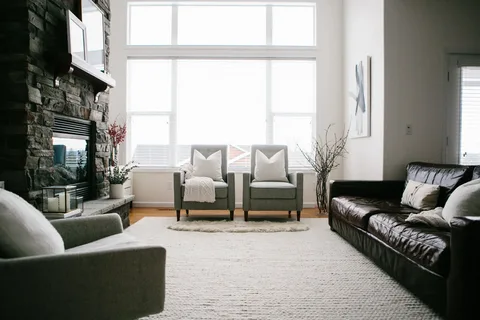
Trends in interior design move fast. One minute, everything is sleek and minimal; the next, maximalism takes over. Yet, through every shifting fad, one element remains a constant anchor in stylish homes: the vintage rug.
These aren’t just floor coverings. They are stories woven into wool and silk, carrying histories that span decades. A true vintage rug brings warmth, character, and an undeniable sense of grounding to a room that mass-produced items simply cannot replicate.
If you have ever considered investing in one of these pieces but felt overwhelmed by the terminology or pricing, this guide is for you. We will break down what makes these rugs special, how to identify quality, and where to find authentic pieces right here in India.
What Defines a Vintage Rug?
The term “vintage” gets thrown around loosely in marketing, but in the rug world, it has a specific meaning. Generally, a rug must be at least 20 to 30 years old to be considered vintage. If it is over 100 years old, it crosses into the “antique” category.
These pieces originate from regions with rich weaving traditions—Turkey, Iran (Persia), Morocco, and importantly, India. Unlike modern machine-made carpets, vintage rugs were made by hand, often by nomadic tribes or village artisans who passed down specific patterns and techniques through generations.
Characteristics of Authentic Vintage Rugs
Spotting the difference between a genuinely old rug and a new one made to look old requires looking at the details. Authentic vintage rugs share specific characteristics that contribute to their value.
Materials Used
Natural fibers are the backbone of vintage weaving. You will almost exclusively find:
- Wool: The most common material, prized for its durability and softness. High-quality wool contains natural lanolin, which repels stains and keeps the fibers lustrous.
- Cotton: Often used for the foundation (the warp and weft) of the rug to provide structure.
- Silk: Used in higher-end, luxury pieces. Silk adds a distinctive sheen and allows for incredibly intricate detailing due to the fineness of the threads.
Dyes and Colors
Before synthetic dyes became widespread, artisans used vegetable and plant-based dyes. Roots, berries, and insects created deep reds, indigos, and warm saffrons. Over decades, these natural dyes soften and develop a patina—a subtle, harmonious fading that gives vintage rugs their unique look. This “abrash” (natural variation in color) is a hallmark of authenticity, not a flaw.
Weaving Techniques
Every knot in a vintage rug tells you about its origin.
- Hand-Knotted: The most labor-intensive method where individual knots are tied to the warp. This ensures the rug can last for generations.
- Flatweave (Kilim/Dhurrie): These are woven without a pile, making them lighter and often reversible.
Common Patterns
The motifs on vintage rugs are rarely random. They are symbolic.
- Geometric: Bold shapes often found in tribal or village rugs.
- Floral: Intricate, curvilinear designs typical of city workshops or royal courts.
- Medallion: A central focal point that anchors the design.
Why Vintage Rugs Are Timeless
You might wonder why someone would choose an old rug over a brand-new, pristine one. The answer lies in the character.
Durability and Longevity
Vintage rugs have already stood the test of time—literally. A hand-knotted wool rug from the 1970s that is still in good condition today will likely last another 50 years with proper care. They are incredibly resilient and hide foot traffic better than most modern alternatives.
Unique Aesthetic Appeal
No two handmade vintage rugs are exactly alike. The slight imperfections in the weave or the variation in color add a human touch to your home. They work in almost any setting, from traditional living rooms to industrial lofts.
A Sustainable Choice
In an era of disposable fast fashion and furniture, buying vintage is an eco-friendly act. You are repurposing an existing item rather than driving demand for new resource extraction and manufacturing.
Sentimental Value
Owning a vintage rug connects you to the past. It is a piece of art that was crafted by human hands, lived a life before it reached you, and will continue its journey in your home.
Buying Vintage Rugs Online in India
The digital age has made it easier than ever to buy rugs online India, but it also requires more vigilance. Here is how to shop smart.
Selecting a Reputable Store
Look for sellers who specialize in rugs rather than general home decor sites. A specialist will provide details about the rug’s origin, age, and condition. Check for clear return policies and customer reviews.
Assessing Quality Online
Since you cannot touch the rug, photos are everything. Look for:
- High-resolution images: You should be able to zoom in to see the knots.
- Back of the rug: A photo of the underside is crucial. In hand-knotted rugs, the pattern on the back should mirror the front clearly.
- Close-ups of wear: Honest sellers will show photos of any frayed edges or low-pile areas.
Spotting Fakes
Be wary of terms like “vintage style” or “distressed look.” These usually indicate a new machine-made rug that has been chemically treated to look old. If the price seems too good to be true for a hand-knotted wool rug, it probably is. Authentic vintage rugs are an investment.
Caring for Your Vintage Rug
These pieces are tough, but they need the right care to maintain their beauty.
- Vacuum Carefully: Use the suction attachment only. Rotating brushes can pull at the knots and damage the fringe.
- Rotate Often: To ensure even fading and wear, rotate your rug 180 degrees every six months.
- Use a Pad: A high-quality rug pad prevents slipping and provides a cushion that reduces friction between the rug and the floor.
- Professional Cleaning: Do not attempt to steam clean a vintage rug yourself. The heat and moisture can cause colors to bleed or wool to shrink. Hire a professional who specializes in hand-knotted rugs.
Handcrafted Rugs in India: The Craft Behind Them
India holds a significant place in the global history of carpet weaving. The art form flourished under the Mughal Empire and continues today in hubs like Bhadohi and Mirzapur.
Handcrafted Rugs in India are not just commodities; they are the livelihood of thousands of artisans. The process is slow and rhythmic. It involves dyeing yarn, setting the loom, and tying thousands of knots by hand.
Supporting this industry preserves a cultural heritage that is at risk of being overtaken by machines. When you buy a handcrafted rug, you support the weaver’s skill and their community.
Ambiente: A Premium Handmade Rug Store
If you are looking for a trusted source that bridges the gap between traditional craftsmanship and modern accessibility, look no further than The Ambiente.
What is Ambiente?
Based in Bhadohi—the heart of India’s carpet belt—The Ambiente is a design-led rug atelier with a flagship store in New Delhi. They don’t just sell rugs; they curate atmospheres.
The Brand Story
The Ambiente is backed by over 30 years of expertise through its parent company, Bhadohi Carpets. Founded by Avani Khandelwal and Ayush Baranwal, the brand was born from a desire to make the luxury of handwoven rugs accessible to Indian homeowners.
Avani, with her background in management and a deep love for craft, recognized a gap in the market. She saw that Indian consumers wanted quality but often lacked access to authentic, fairly priced pieces. Together with Ayush, who brings a modern, global perspective to the family business, they launched The Ambiente to disrupt the market.
Commitment to Craft and Community
The numbers speak for themselves. The Ambiente works with over 4,000 women weavers, providing sustainable livelihoods and empowering them within their communities. Their collection ranges from bespoke designs to ready-to-ship pieces, all crafted from premium wool and silk.
Whether you need a vintage masterpiece or a contemporary design rooted in traditional techniques, The Ambiente offers a transparency and quality that is rare in the online market.
Final Thoughts
A vintage rug is more than a purchase; it is an investment in art, history, and sustainability. It transforms a house into a home, adding layers of texture and warmth that new items rarely achieve.
Whether you are browsing for your first piece or adding to a collection, take your time. Look for the signs of hand-knotting, appreciate the natural dyes, and choose a seller who respects the craft.
Ready to find the perfect piece for your floor?
