


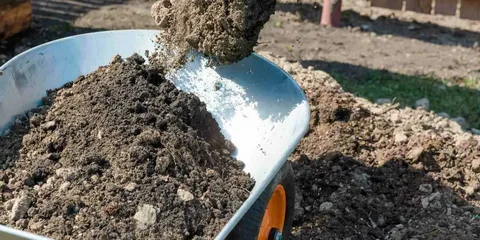
Project results often depend on what lies beneath the surface, and soil selection plays a larger role than many expect. Choosing between fill dirt and topsoil affects drainage, stability, plant growth, and long-term maintenance. Understanding how each material behaves helps buyers make smarter decisions when comparing soil for sale or arranging dirt delivery near me.
Use Topsoil When Planting Anything; Fill Dirt Lacks Organic Matter
Topsoil supports plant life because it contains organic material, beneficial microbes, and nutrients that roots rely on to develop properly. Grass, shrubs, flowers, and trees all respond better when planted in soil that holds moisture while still allowing air to circulate around the roots. This balance encourages healthy growth and reduces stress on young plants.
Fill dirt, by contrast, contains little to no organic content. It is typically made of subsoil, clay, sand, or small rock fragments, which means it does not support plant growth on its own. Using fill dirt where planting is expected often leads to poor results unless a proper topsoil layer is added afterward.
Select Fill Dirt for Structural Changes, Topsoil for Garden Beds
Fill dirt is well suited for projects that alter the shape or elevation of land. Building up low areas, leveling uneven ground, or creating slopes for drainage all require material that compacts firmly and stays in place. This makes fill dirt a reliable option for structural changes where stability matters more than fertility. Garden beds, raised planters, and landscaped areas need a different approach. Topsoil provides the loose texture and nutrient profile that plants require to establish strong roots. Buyers searching for dirt for sale often find that separating structural needs from planting needs prevents wasted material and unnecessary costs.
Fill Dirt Is Often More Economical for Large-volume Filling
Large projects such as driveway extensions, land grading, or filling behind retaining walls can require significant volume. Fill dirt is usually less expensive than topsoil because it does not undergo the same screening or enrichment process. This makes it a cost-effective choice for projects that require depth rather than surface quality.
Topsoil costs more due to its refined nature and higher demand for landscaping use. Ordering large quantities of topsoil for deep fills can quickly inflate budgets. Many suppliers offering rock and dirt delivery recommend fill dirt for bulk applications and reserve topsoil for surface layers where it truly adds value.
Use Fill Dirt for Filling Deep Holes, with Topsoil Layered on Top
Deep holes left by excavation, stump removal, or utility work should be filled with compactable material. Fill dirt provides the density needed to prevent settling over time, especially in areas that will support weight or foot traffic. Proper compaction reduces the risk of sinkholes or uneven ground later. Once the fill reaches near ground level, topsoil can be layered on top to prepare the surface for planting. This layered approach combines strength below with fertility above, producing better results than using a single material for the entire depth.
Choose Topsoil If Your Plants Need Nutrient-rich Soil to Thrive
Plants rely on more than just water to survive. Nutrient-rich topsoil supplies essential minerals and organic matter that support root development and steady growth. Lawns established on quality topsoil tend to green up faster and resist erosion more effectively.
Fill dirt does not provide these benefits and may even restrict root expansion due to its density. Buyers comparing dirt delivery near me often discover that using topsoil in planting zones reduces the need for fertilizers and soil amendments later on.
Topsoil Is the Dark, Loose Upper Layer; Fill Dirt Is Subsoil with Rock and Clay
Visual and physical differences help identify each material. Topsoil is typically darker in color, crumbly in texture, and easier to work with by hand. This structure allows water to penetrate evenly while retaining enough moisture to support plant roots.
Fill dirt usually appears lighter in color and contains clay, sand, or rock fragments. Its compact nature makes it ideal for building stable surfaces but unsuitable for direct planting. Recognizing these traits helps buyers make confident decisions when reviewing soil for sale.
Use Fill Dirt for Backfilling and Grading Work Where a Solid Foundation Is Needed
Backfilling around foundations, retaining walls, and drainage systems requires material that resists shifting. Fill dirt provides the firmness needed to support structures and maintain grade over time. It also plays a role in directing water away from buildings when used correctly.
Projects that involve shaping land for driveways, walkways, or slopes benefit from fill dirt’s stability. Contractors and homeowners arranging rock and dirt delivery near me often rely on fill dirt to create a dependable base before adding surface materials like gravel or topsoil.
Reliable sourcing makes the difference between a project that lasts and one that needs repairs, which is why many buyers turn to North Alabama Rock & Dirt for dependable fill dirt and topsoil delivery suited to each specific application.
