


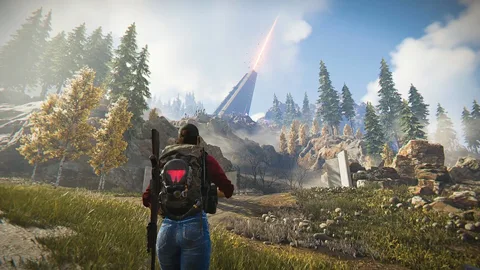
Open-world games have redefined modern gaming, offering players the freedom to explore vast, detailed environments at their own pace. Unlike linear titles with set paths, open-world games encourage curiosity, experimentation, and a sense of personal adventure.
Games such as The Elder Scrolls V: Skyrim, Red Dead Redemption 2, and The Legend of Zelda: Breath of the Wild are prime examples of how this genre has transformed the player experience. Instead of being restricted to a fixed storyline, players are free to pursue side quests, uncover hidden secrets, and interact with richly designed worlds however they choose.
This sense of autonomy has made open-world games incredibly immersive. Players can choose whether to follow the main objectives, craft unique playstyles, or simply wander through beautifully crafted landscapes. The design of these games often rewards exploration, making every corner of the map feel alive and meaningful.
Communities and platforms like garuda8 login frequently discuss the sheer scale and creativity of open-world titles, celebrating their endless replayability and unique player-driven stories. Many gamers share anecdotes of unexpected encounters or creative solutions that make their experiences distinct from anyone else’s.
As technology continues to evolve, open-world games are becoming even more dynamic. Procedural generation, advanced AI systems, and next-gen hardware are creating worlds that react and change based on player behavior, promising truly personalized adventures.
Open-world gaming has shifted video games from simple interactive challenges to living worlds that feel limitless. This evolution ensures that players aren’t just playing through a story—they’re writing their own.
