


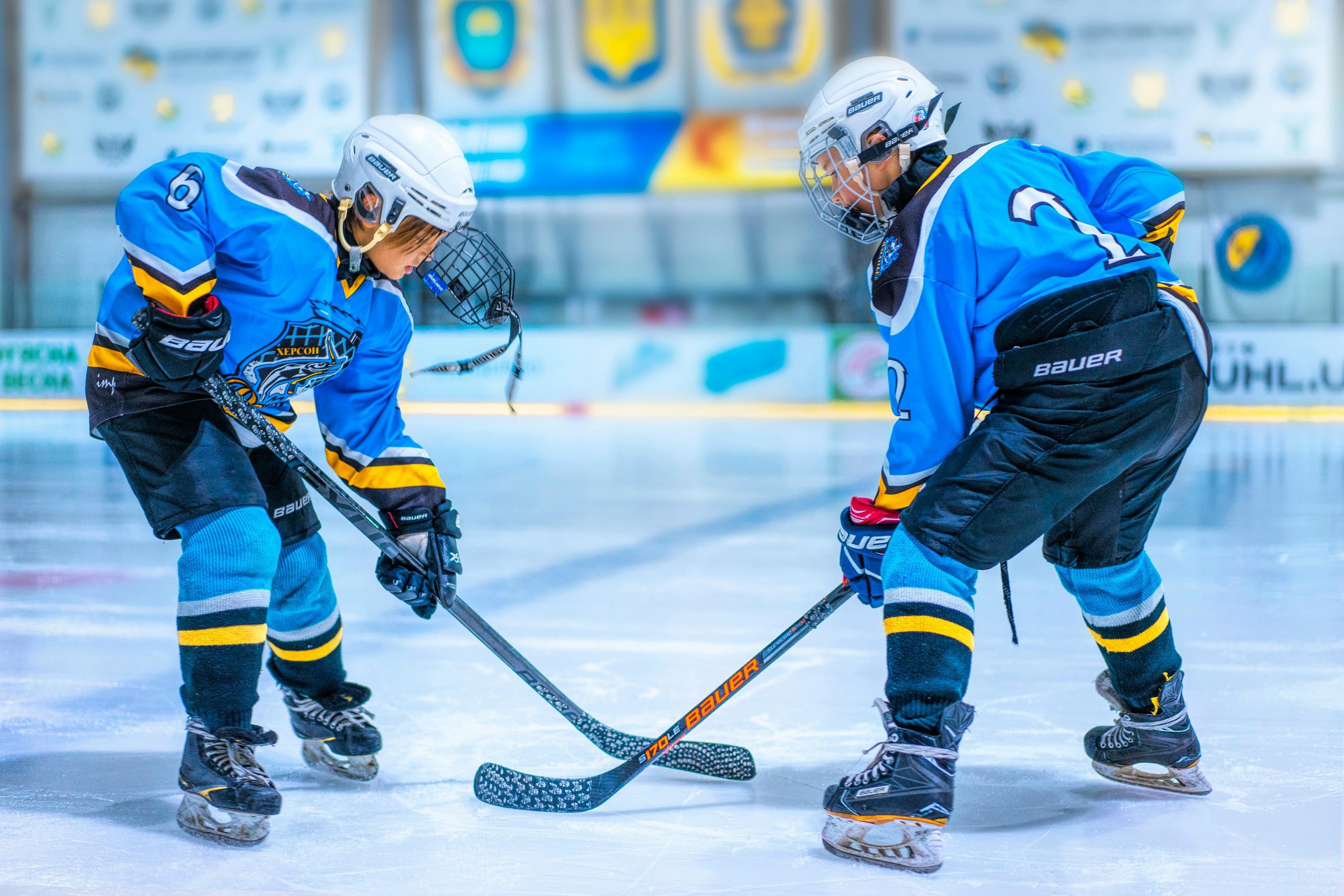
Whether you’re signing up your child for their first season or getting ready to hit the ice yourself, the cost of hockey supplies can come as a surprise. Hockey requires several pieces of gear, and each one plays an important role. From skates that help you move smoothly to padding that protects against hard hits, equipment affects both performance and safety. Knowing what to expect helps families plan ahead and avoid last-minute stress when the season begins.
Before getting started, it helps to remember that prices vary widely by brand and quality. Some players invest in high-end gear, while others prefer reliable options that fit a tighter budget. Exploring different choices and price ranges for hockey supplies can give a clearer picture of what’s available. Understanding these costs early makes budgeting feel more manageable and less intimidating.
Understanding the Essentials
At the heart of every hockey budget are the basics: skates, helmet, stick, gloves, and protective padding. Skates alone can range from relatively affordable beginner models to pricier versions favored by experienced players. A well-fitted pair makes skating easier and more comfortable, which is worth considering even on a tight budget.
A good helmet and face mask are critical for safety, especially in youth hockey. Gloves and protective padding—shoulder pads, elbow pads, and shin guards—also protect against falls and collisions. Setting aside money for these essentials before anything else ensures that players are safe and ready to play.
Thinking About Advanced Gear
Once you have the basics covered, you might think about additional gear that enhances performance or comfort. Some players like upgraded sticks that are lighter or offer a better feel when shooting and passing. Others might invest in better skates as their skills improve and they spend more time on the ice.
Other items, like specialized socks, performance-enhancing underlayers, or even grip tape for sticks, can add up. While none of these are strictly necessary to play, budgeting for a few upgrades can make practice and games more enjoyable. Ultimately, prioritizing the gear that’s most important to you or your player can help stretch your budget further.
Balancing New and Used Gear
One way many families keep costs reasonable is by mixing new and used equipment. Gently used gear, especially for items kids quickly outgrow, can be a lifesaver. Local rinks or online marketplaces often have used skates, pads, and sticks that look great and perform well at a fraction of the cost.
When choosing used gear, inspect it for wear in key areas like skate blades and helmet padding. Safety should never be compromised just to save money. A smart combination of new and used items can give you quality equipment without overspending.
Planning for Replacement and Growth
Hockey supplies don’t last forever, and part of budgeting is anticipating what will wear out or need replacing. Youth players, in particular, may outgrow skates, helmets, or pads from one season to the next. Setting aside a small amount each month toward replacement costs can ease the burden when it’s time to upgrade.
Even for adult players, things like skate sharpening, stick repairs, or replacing worn-out gloves can add up over time. Planning ahead helps families avoid scrambling for cash when something needs to be replaced mid-season. Good budgeting means thinking beyond the first game and planning for the whole season.
Managing Additional Costs
Beyond equipment, there are other costs that come with playing hockey. Ice time, league fees, travel expenses for away games, and even team pictures can change your overall budget substantially. These aren’t part of the cost of hockey supplies per se but are part of the full financial picture for a season.
Snack costs, water bottles, and laundry detergent for all that gear might seem small, but they add up over time. Recognizing these extra expenses makes planning more realistic and keeps surprises to a minimum. When families account for everything—from gear to game day snacks—it’s easier to enjoy the season without financial stress.
Conclusion
Understanding how much hockey supplies cost helps players and families plan for a successful season without unwanted surprises. From essential gear like skates and helmets to upgrades and extras, costs vary widely and depend on individual priorities. Mixing new and used equipment, planning for replacements, and considering additional expenses like ice time or travel all help create a realistic budget that fits your situation.
Approaching hockey budgeting with a bit of research and planning turns what can feel like a financial challenge into a manageable part of joining the sport. When expenses are in order, players can focus on what matters most—improving their skills, having fun, and enjoying every moment on the ice.
