


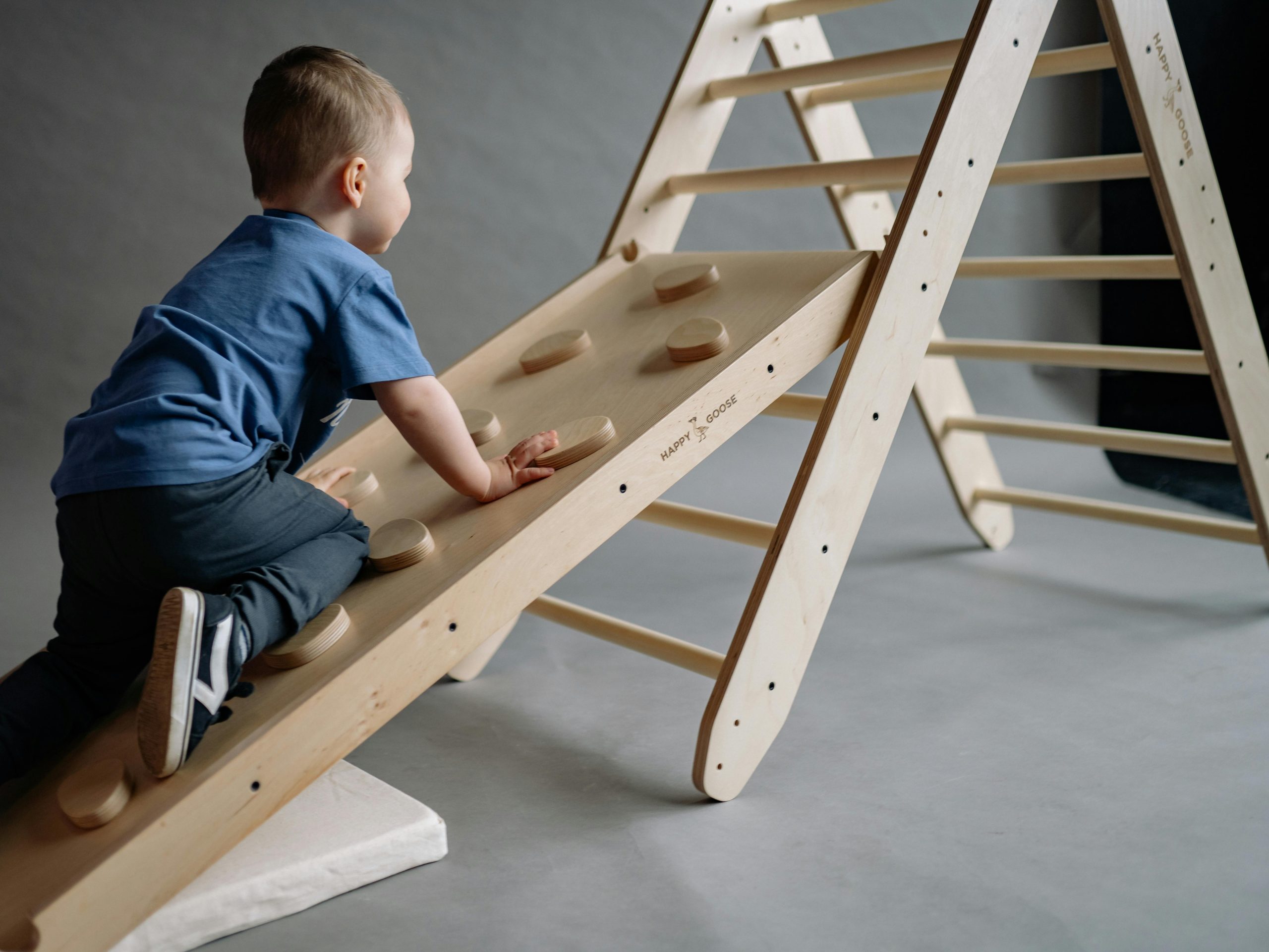
Designing a child’s bedroom or playroom is about more than filling a space with cute items. The children’s furniture you choose shapes how your child sleeps, plays, learns, and relaxes every day. A well-planned room can support independence while still feeling warm and inviting. When furniture fits a child’s size and needs, it encourages confidence and comfort.
Parents often feel torn between style, safety, and practicality. Children grow quickly, and their needs change just as fast. Choosing the right children’s furniture helps create a space that works now and adapts easily over time. Thoughtful furniture choices can reduce stress while making daily routines smoother for the whole family.
Creating a Comfortable Sleep Space
A good bed is the foundation of any child’s bedroom. It should feel safe, cozy, and sized just right so children can climb in and out easily. Comfort matters because quality sleep supports mood, focus, and overall health.
Beyond the bed itself, simple furniture like a bedside table or small shelf can help establish routines. A place for books, a nightlight, or a favorite toy makes bedtime feel calm and familiar. These small touches turn sleep into a positive part of the day.
Supporting Play and Creativity
Playrooms thrive when furniture encourages imagination and movement. Low tables, play mats, and kid-sized seating invite children to sit, build, draw, and explore. Furniture scaled to their size helps them feel confident using the space on their own.
Open areas are just as important as the furniture itself. Leaving room to spread out toys or set up pretend games keeps playtime flexible and fun. The best children’s furniture supports creativity without taking over the entire room.
Encouraging Organization Early
Storage is one of the most valuable pieces of furniture in a child’s room. Bins, cubbies, and shelves give toys and books a clear home. When storage is easy to reach, kids are more likely to help with cleanup.
Organization also reduces stress for parents. A room with clear storage zones feels calmer and easier to manage. Over time, children learn responsibility simply by using the furniture designed for them.
Making Room for Learning
As children grow, their rooms often double as learning spaces. A small desk or activity table gives them a place to draw, read, or do homework. Having a dedicated spot helps separate playtime from focus time.
Chairs should be comfortable and supportive without feeling stiff. Good posture furniture supports healthy sitting habits, which simply means sitting in a way that doesn’t strain the body. A relaxed, inviting setup makes learning feel less like a chore.
Choosing Furniture That Grows With Them
Children outgrow furniture quickly, which is why versatility matters. Pieces that adjust, convert, or serve multiple purposes last longer. Beds with storage underneath or tables that work for both play and study are great examples.
This is where quality children’s furniture becomes a smart investment rather than a short-term fix. Thoughtfully designed pieces balance durability and style while adapting to changing needs. Choosing flexible options saves money and effort in the long run.
Conclusion
Furnishing a child’s bedroom or playroom is about supporting daily life, not just filling space. Beds, storage, play furniture, and learning areas all work together to create a room that feels safe and functional. When chosen carefully, children’s furniture plays a meaningful role in a child’s growth and independence.
By focusing on comfort, organization, creativity, and adaptability, parents can design spaces that truly serve their children. The right furniture makes everyday routines easier and more enjoyable. Most importantly, it creates a place where kids feel free to be themselves, helping them feel proud of their space and comfortable spending time in it.
